Tankless vs Tank Water Heater for a Hard Water Valley Home How to Decide
October 6, 2026
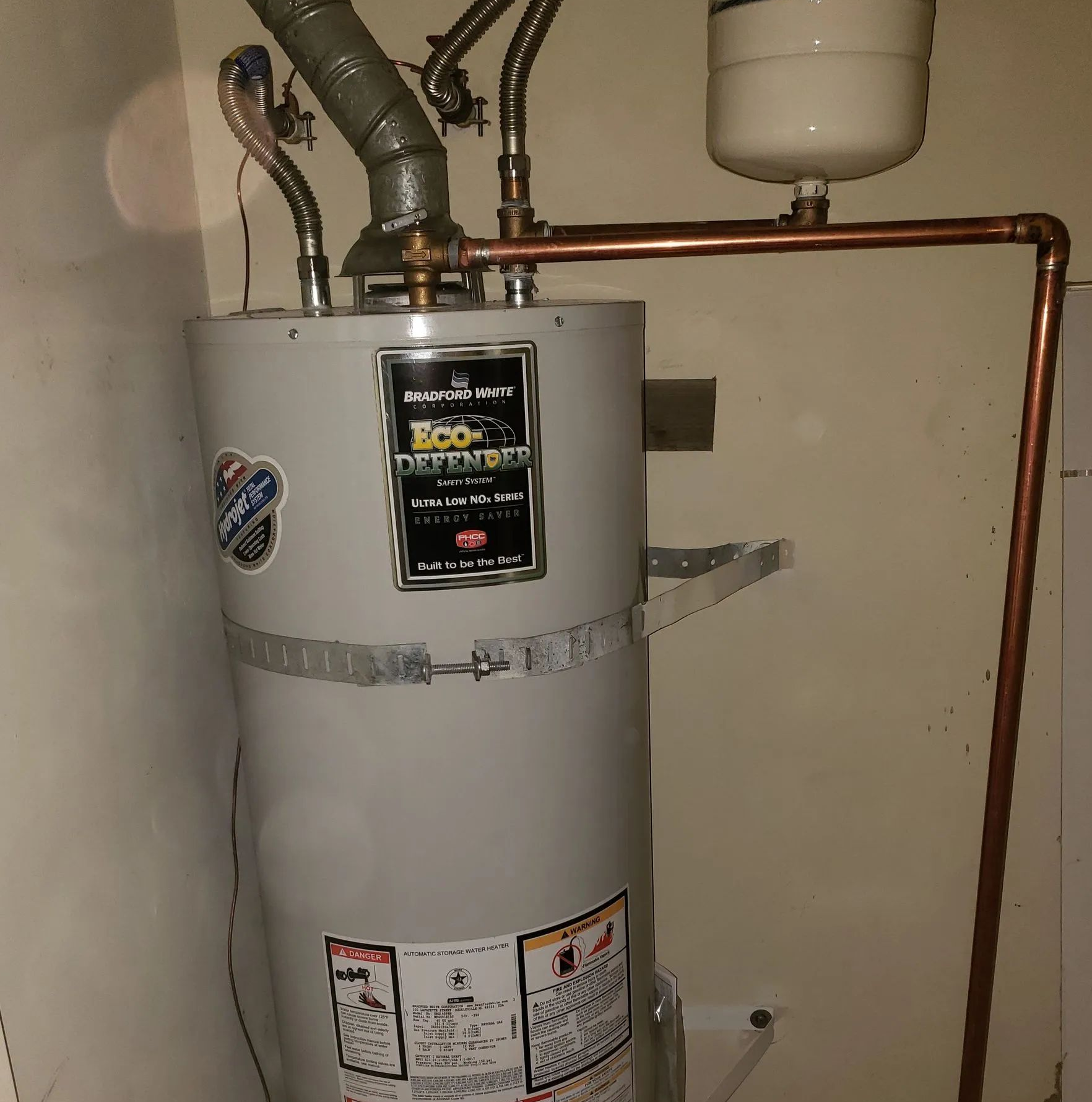
QUICK ANSWER: For most Valley homes, the right choice comes down to four things: how much hot water your household uses at the same time, how much scale your water leaves behind, whether your gas line and venting can support a tankless unit, and how much maintenance you are willing to keep up with. Tankless units heat water on demand, last longer and save energy, but they need a correctly sized gas supply and a yearly flush in hard water. Tank heaters are simpler to swap in and forgiving of an older home's setup, but they lose heat while they wait and collect sediment faster. Neither one is better in every house, so match the heater to your habits and your pipes.
The shower in the back bedroom runs cold at the exact moment the dishwasher kicks on and someone starts a load of laundry. The old tank water heater in the garage has been humming along since before you bought the house, and the pilot flame looks fine, but the hot water is gone after the second shower. That is usually the day a Reseda or Woodland Hills homeowner starts typing "tankless vs tank" into a search bar and finds a hundred opinions that all sound confident and all contradict each other.
We have spent more than eighteen years replacing and servicing water heaters across the West Valley, and the honest answer is that the best choice depends on your house, not on a brochure. Our water is hard, our summers are hot and dry, and many of our homes were built in the mid century with gas lines and utility closets that were never designed for what a modern tankless heater needs. Those local facts change the decision in ways that generic national advice skips over.
This guide walks through how each type of heater actually behaves in a Valley home, what hard water does to both, where older construction creates surprises, and how to make the call with confidence.
What Actually Changes When You Go Tankless
A tank water heater keeps somewhere between thirty and eighty gallons hot around the clock, even when nobody is home. That stored water is your supply. When it runs out, you wait while the tank reheats. A tankless heater has no storage. When you open a hot tap, water flows through the unit, a burner or element fires, and the water is heated as it passes through. When you close the tap, the heater shuts off.
Standby loss versus on demand heating. The tank spends energy all day keeping stored water warm in a garage that can top ninety degrees in August. A tankless unit skips that. The Department of Energy reports that tankless units are roughly 24 to 34 percent more efficient than a conventional tank for homes that use around forty gallons of hot water a day or less, and the gap narrows as daily use climbs. A busy household with teenagers and constant laundry will see a smaller advantage than a couple who are away at work most of the day.
Supply you cannot drain. Because a tankless heater is not working from a fixed reservoir, a properly sized unit does not run out of hot water the way a tank does. What it can do is run out of capacity. If two showers and a dishwasher are all pulling at once and the unit is rated below that combined flow, the water turns lukewarm. That is a sizing problem, not a flaw in the idea, and we will come back to it.
Footprint. A tankless unit hangs on a wall. A tank takes up floor space. In a Valley garage that already holds the car, the washer and decades of stored boxes, reclaiming that corner matters to many families.
How Valley Hard Water Treats Each Type of Heater
Hard water is the single most important local factor, so it deserves its own conversation. The water that reaches Reseda, Encino, Chatsworth and the surrounding neighborhoods carries dissolved calcium and magnesium. Los Angeles water officials explain that these minerals deposit on the inside of pipes over time, and heat makes the problem worse. Every time water is warmed, some of those minerals come out of solution and settle as scale.
What Scale Does Inside A Tank
In a storage heater, minerals fall to the bottom of the tank and harden into a crust of sediment. That layer sits between the burner and the water, so the heater works harder to do the same job. You may hear popping or rumbling as water gets trapped beneath the crust and boils. Left alone for years, sediment shortens the life of the tank and can contribute to the steel rusting through. Plumbers across Southern California regularly see tanks in hard water neighborhoods wear out well ahead of the typical lifespan.
What Scale Does Inside A Tankless Unit
A tankless heater passes water through narrow channels in a heat exchanger. Scale builds up on those surfaces much more quickly in proportion to the size of the passages, and a thin coating can restrict flow. One homeowner who documented his own gas tankless unit noticed the flow rate dropping after about seven years without any descaling, and it only came back to normal after the unit was flushed. In a hard water area like ours, that is exactly the maintenance task that separates a tankless heater that lasts two decades from one that struggles in half that time.
So is hard water a reason to avoid tankless?
No. It is a reason to plan for it. A tankless heater in the Valley should come with a yearly flush on the calendar, and many homeowners add a scale reducing treatment on the incoming line to slow the buildup. Tank heaters need attention too, usually in the form of periodic draining and anode rod checks, and they tolerate neglect a little better in the short run even though they pay for it in the long run.
TIP: Before you shop for either type, run a hot tap into a clear glass and check the aerators and showerheads in your home. White crust, gritty flakes or slow trickles tell you how aggressively your water is leaving scale behind, and that picture helps decide how much treatment and maintenance your next heater will need.
Matching the Heater to How Your Household Uses Hot Water
Two families in identical houses can need very different water heaters. The right question is not how many people live there but when they need hot water and how much of it at once.
Peak Demand, Not Daily Total
Size a tankless heater for simultaneous demand, including showers, dishwasher, and laundry. Colder winter groundwater requires greater heating capacity, so sizing around summer conditions can cause disappointing winter performance.
Long, Steady Use Favors Tankless
Tankless systems suit households with long showers, soaking tubs, or frequent laundry because they provide continuous hot water when properly sized. Traditional tanks eventually exhaust their stored supply during extended, back-to-back use.
Short, Scattered Use Can Favor A Tank
Tanks handle small, intermittent hot water demands comfortably. Very low flows may not trigger some tankless burners reliably, occasionally creating brief temperature interruptions between separate hot water draws.
Wait Times At The Tap
Neither heater eliminates delays caused by long plumbing runs. When distant bathrooms take time to receive hot water, recirculation or relocating the heater closer to frequent-use areas can reduce waiting.
The Gas Line, Venting and Space Questions Older Valley Homes Raise
This is where homes built in the fifties and sixties surprise people. A gas tankless heater burns a large amount of fuel in a short burst. A tank heater burns a modest amount over a longer stretch. The pipe that feeds the old tank may be too small to feed a tankless unit properly.
Gas Supply
Tankless installations may require larger gas lines, especially with long runs or multiple appliances sharing the supply. Undersized lines can reduce heating performance and cause combustion problems, so sizing should account for every connected appliance.
Venting And Combustion Air
Tankless heaters often require different venting materials, routing, clearances, and combustion air than traditional tanks. Tight closets and older garage spaces can make proper vent installation challenging, requiring careful planning before equipment selection.
Electricity
Gas tankless heaters still require electricity for controls and fans. During outages, they may stop operating, unlike tanks that can continue supplying stored hot water. Backup power considerations matter where outages are a concern.
WARNING: Never cut corners on gas supply, venting or combustion air when replacing a water heater. An undersized gas line or poorly routed vent can produce carbon monoxide and soot inside your home. Gas appliance work belongs to a licensed professional, not a weekend project.
Lifespan and Maintenance: What Each Heater Asks of You
People often compare how long each type lasts without comparing how much attention it demands. Both numbers belong in the same sentence.
Tank Lifespan
Storage tank water heaters typically last around ten to twelve years. Hard water can shorten that lifespan through sediment and corrosion. Replacing the sacrificial anode rod when depleted can help protect the tank.
Tankless Lifespan
Tankless water heaters commonly last twenty years or longer with regular maintenance. However, hard water and neglected flushing can shorten their service life significantly, making annual maintenance important for preserving longevity.
What The Yearly Flush Involves
A technician connects hoses to service valves and circulates descaling solution through the heat exchanger before rinsing it thoroughly. Proper fittings, cleaning solutions, and careful handling are essential during this maintenance procedure.
The Honest Tradeoff
Traditional tanks require little routine attention until problems develop, while tankless systems reward regular maintenance with longer service life. Homeowners who schedule annual service may benefit from tankless longevity, while others may prefer simpler ownership.
Picking a mount that can handle the spot
When a Tank Water Heater Is Still the Better Call
We install tankless units gladly, and we also talk plenty of customers out of them. A tank is often the sensible answer in a few situations.
Tight Or Awkward Installs
If upsizing the gas line requires major work or no practical vent path exists, forcing tankless equipment into the space may create unnecessary complications. Replacing the existing tank can be simpler.
Light, Scattered Use
Single occupants or small households with modest hot water demands may not recover the additional tankless investment through energy savings. A traditional tank can provide sufficient capacity without the higher upfront cost.
Short Time Horizons
If you expect to sell within a few years, much of the tankless heater’s longer service life may benefit the next owner rather than providing enough time for your investment.
Rental And Secondary Properties
Landlords and secondary property owners may value straightforward maintenance and quick repairs. Traditional tanks are familiar to most plumbers, making servicing simpler when minimizing complexity and downtime matters.
Picking a mount that can handle the spot
A Simple Way to Decide
You do not need a spreadsheet. Walk through these questions in order.
Start With Demand
Identify the maximum hot water your household uses simultaneously during a busy morning. Higher demand may require a generously sized tankless unit or a larger traditional storage tank.
Check The Supply Side
Have a licensed plumber evaluate your gas line, venting, electrical needs, and available installation space before choosing equipment. These conditions often determine which water heater options are practical.
Be Honest About Maintenance
Consider whether annual professional service fits your routine. Tankless systems benefit from regular maintenance, while traditional tanks may better suit households that prefer equipment requiring less scheduled attention.
Think About How Long You Are Staying
Consider your expected ownership period. The longer you plan to remain in the home, the more opportunity you have to benefit from a tankless heater’s longer potential service life.
Plan For The Water You Actually Have
Whatever system you choose, account for water quality and mineral buildup. Depending on conditions, periodic flushing, incoming water treatment, or both can help protect the heater over time.
Frequently Asked Questions
Will a tankless water heater save me money in a Valley home?
It often lowers energy use because it skips keeping a full tank hot all day. The Department of Energy cites roughly 24 to 34 percent gains for lighter users, though busy households save less.
Can hard water damage a tankless water heater?
Yes, if ignored. Minerals build up inside the heat exchanger, narrowing passages and reducing flow and efficiency. A yearly descaling flush clears the buildup and should be treated as normal ownership.
Will my existing gas line work with a tankless heater?
Sometimes, but not always. Tankless units draw a lot of gas in a short burst, so a line that suits a tank may be too small. Pipe length and shared appliances decide.
Does a tankless heater work when the power goes out?
Most gas tankless heaters need electricity for controls and the fan, so they typically stop without power. A tank heater can often still deliver its stored hot water. Weigh this if outages concern you.
How do I know if my current tank is on its way out?
Listen for popping or rumbling, watch for rust colored hot water, check for moisture at the base, and notice faster hot water depletion. A tank past ten years in hard water deserves a closer look.
Can I switch from a tank to a tankless heater in the same spot?
Not always as a one for one swap. Venting, gas supply, and sizing usually need adjustments, and the location may need changes. We evaluate the space and lines first, then advise plainly.
Choosing the Water Heater That Fits Your Home
The best water heater for your home is the one that fits how your household uses hot water, what your gas line and utility space can support, and how much care your water demands. A tankless heater can deliver a long, efficient service life in a Valley home when it is sized correctly and flushed on schedule. A tank heater can be the calmer, simpler path when the house or the habits point that way. Either choice works best after a close look at the pipes.
Save The Day Plumbing
in Reseda, CA, has spent 18+ years replacing and servicing water heaters across the West Valley, so hard water, older gas lines, and tight utility closets are familiar territory. Sizing for winter demand, planning for scale, and confirming safe venting are the steps that keep hot water reliable for years. When the heater suits the household and the house, showers stay warm, energy use stays reasonable, and nobody has to think about the water heater again.