Backflow Testing in San Fernando Valley
Plumbing issues in homes have ways of quickly spiraling out of control. There is nothing worse than waiting until it's too late to get hold of a plumber; because the longer you wait, the more costly repairs and replacements will be.
So, even when you would consider your issue just a little bit of maintenance, getting an expert to consult with is always a wise move.
Even if you don't think there is anything especially wrong with your home's plumbing, here are a few maintenance tips to make sure you're not doing any significant harm to your system.
Inquire
Contact Us
We will get back to you as soon as possible.
Please try again later.
Our Services
- Service 1
- Service 2
- Service 3
- Service 4
- Service 5
- Service 6
- Service 7
- Service 8
- Service 9
What is backflow?
Backflow is the change of flow of water back to the source where it came. This can present to be a major public safety concern when the water is contaminated if it returns to the source of water.
What is a Backflow Prevention Assembly?
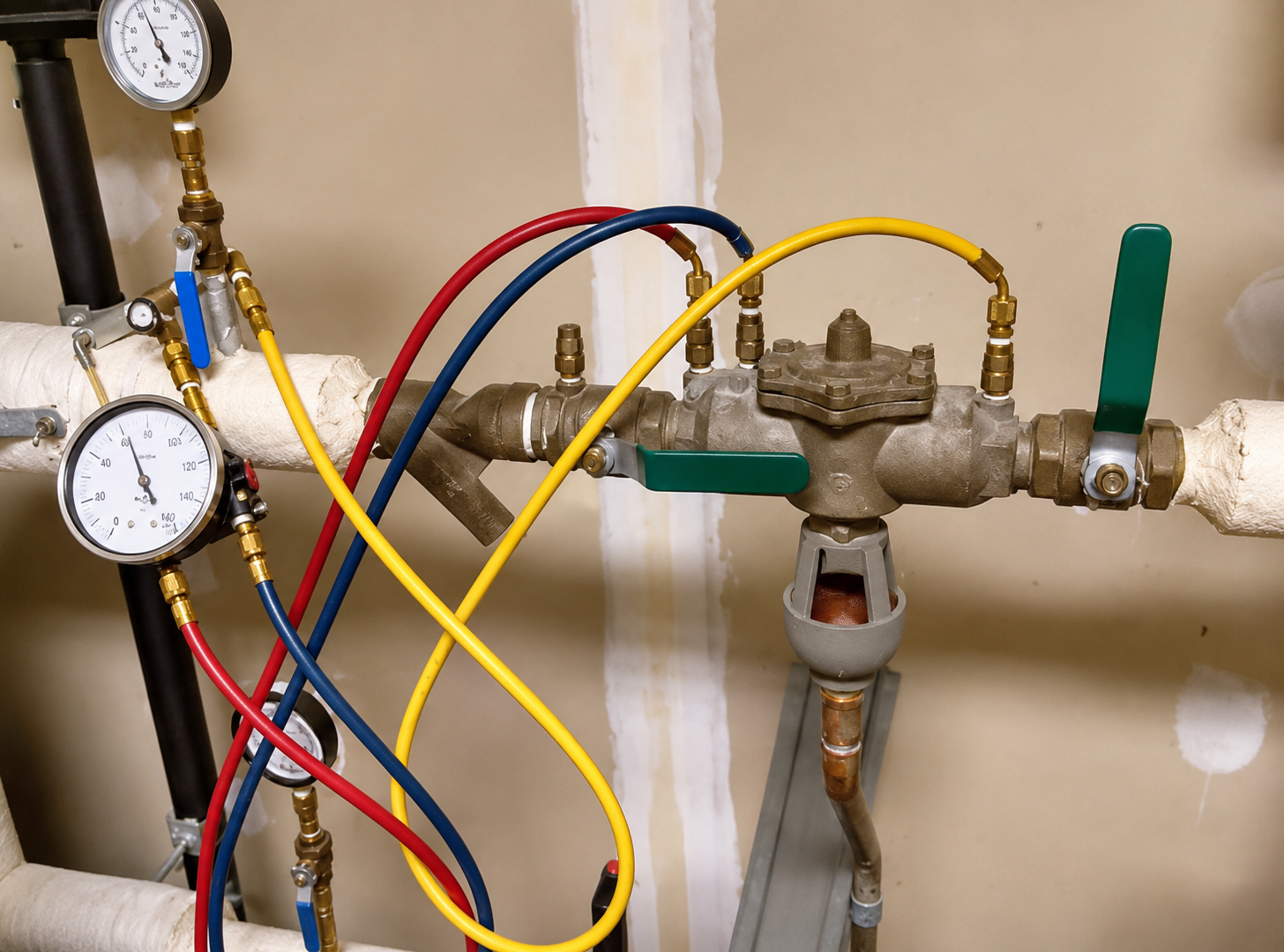
A Backflow Prevention Assembly is a mechanical assembly that prevents contaminated water from flowing out of common systems (such as but not limited to Landscape Irrigation, Fire Suppression and Boiler Systems) back into the drinking water supply.
Why do Backflow Prevention Assemblies need to be tested?
All Backflow Prevention Assemblies have calibrated internal elements that break over time. Common elements such as the springs, seals, and various moving parts within your backflow prevention assembly will gradually wear out or fatigue. Periodic testing is the only way to make sure your backflow prevention device is in proper functioning order.
Another common problem is leaking joints, where water seeps out through the cracks between two pipes
Corrosion, roots, and general blockages are other common issues that affect sewer drains. In these cases, you may notice a sluggish drain, an odor problem, a mold issue, unexpectedly lush patches in your grass, or foundation issues with your home.
Why do I need a backflow test?
- Backflow prevention programs are in place to protect your drinking water from contamination.
- To ensure that your backflow prevention assembly is in proper working condition.
- A backflow prevention assembly is a mechanical assembly that will at some time fail.
- It's the law.
Contact Us Today
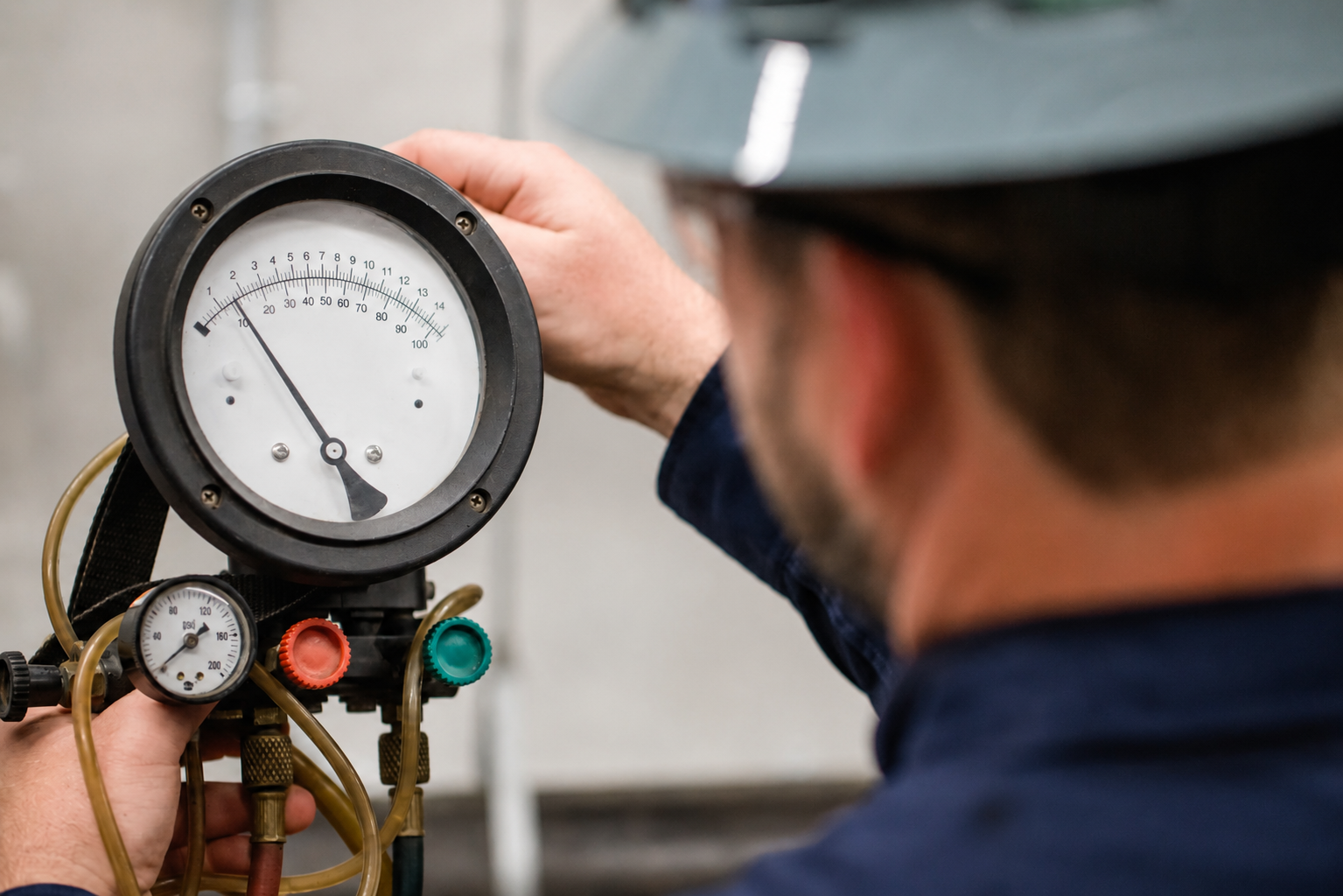
Most backflow systems must be inspected annually to verify their proper operation. Backflow testing is normally considered mandatory with nasty enforcement actions possible against owners who do not complete the system testing promptly. The experts at Save The Day Plumbing
will take care of your backflow testing so you don't have to worry about it. Simply call Save The Day Plumbing
today!
Who needs backflow testing
Enhanced Landscape Appearance
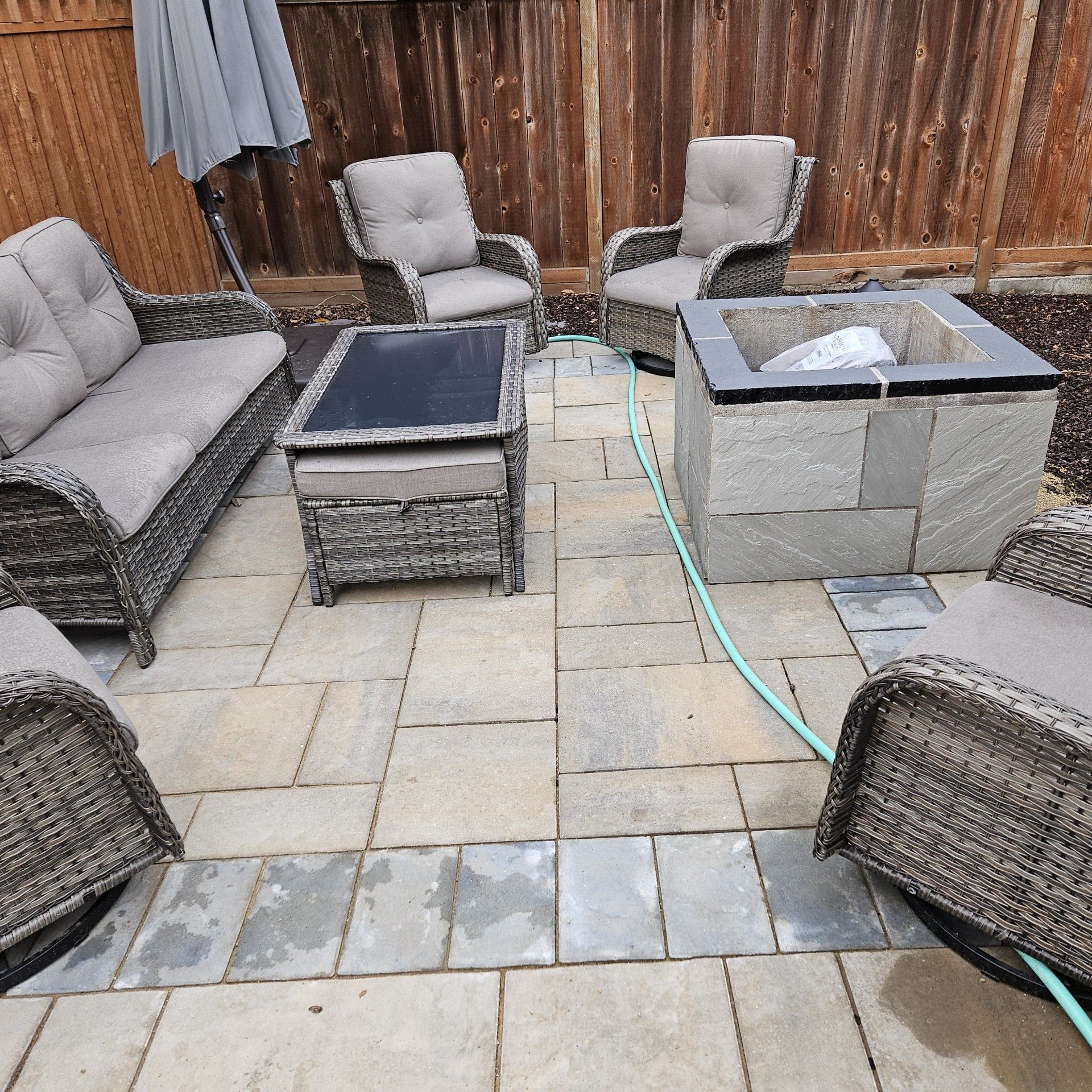
A custom patio serves as a focal point that enhances landscape character and visual appeal. Quality materials, skilled craftsmanship, and cohesive layouts create a polished appearance. Attractive hardscape elements contribute balance, beauty, and greater visual interest throughout the outdoor environment.
Leak and water line repair
We locate hidden and slab leaks, repair or replace failing water lines, and limit the damage before it spreads.
Commercial properties
Most businesses with irrigation, fire suppression, or boiler systems are required to test their assemblies.
Landscape irrigation systems
Sprinkler systems connected to the drinking water supply need a backflow assembly and testing.
Properties with cross connections
Any site where non potable water could reverse into the clean supply falls under backflow rules.
Some residential properties
Homes with irrigation systems or private wells may also require an assembly and testing.
How our backflow testing works
- We inspect the assembly and confirm it is the correct type for the connection
- We test the springs, seals, and check valves with calibrated gauges
- We identify any worn or failing parts
- We repair or rebuild the assembly if it does not pass
- We document the results and file them with your water provider
Regulations and Compliance in California
- California cross connection control rules require backflow prevention assemblies on many commercial and irrigation connections.
- Most water providers require these assemblies to be tested annually by a certified tester.
- Test results must be reported to the water provider, and failed assemblies must be repaired promptly.
Frequently Asked Questions
What is backflow testing?
Backflow testing checks a backflow prevention assembly to confirm it still stops contaminated water from reversing into the clean drinking water supply. A certified tester uses calibrated gauges to verify the internal parts work.
Is backflow testing required by law?
In most cases, yes. California cross connection rules require assemblies on many connections, and water providers require annual testing. Missing a test can bring enforcement action.
How often is backflow testing required?
Most water providers require annual testing. Some high risk connections may need it more often. Your provider or a certified tester can confirm your schedule.
Who needs a backflow test?
Commercial properties and any site with irrigation, fire suppression, or boiler systems typically need one. Some homes with irrigation or wells do as well.
What happens if my backflow assembly fails the test?
A failed assembly means worn or broken internal parts. It must be repaired or rebuilt and retested promptly to stay compliant and protect the water supply.
How long does a backflow test take?
A standard test usually takes under an hour. If a repair is needed, that adds time. We test, report the results, and handle any repair.
Why does a backflow preventer fail?
The springs, seals, and check valves inside wear out and fatigue over time. That gradual wear is exactly why periodic testing is required.
Who can perform a backflow test?
A certified backflow tester must perform and document the test. We handle the testing, any needed repair, and the reporting to your water provider.