Drain Gurgles and Sewer Smell in an Older Reseda Home: How to Trace the Cause
September 30, 2026
QUICK ANSWER: A sewer smell in house is usually one of four things: a dry trap in a rarely used drain, a blocked or cracked vent pipe, a worn water heater anode rod, or a cracked and root-invaded sewer lateral. Run water in every drain for thirty seconds and note where the odor is strongest. If the smell only shows up with hot water, suspect the anode rod. If it's whole-house and paired with slow drains everywhere, the sewer line itself needs a camera look. Older Reseda and West Valley homes see this more often because decades of hard water, hot dry summers, and aging clay laterals all push in the same direction.
You notice it first in the hallway bathroom, right around the time you turn on the shower two doors down. A faint, sulfur-tinged smell that wasn't there last week. Maybe it comes with a soft gurgle from the tub drain, like the house is clearing its throat. In a Reseda home built in the 1950s or 60s, that combination is common enough that most plumbers hear about it weekly, especially once the weather turns hot and dry.
The frustrating part is that the smell alone doesn't tell you much. It could be nothing more than an unused guest bathroom drying out. It could also be the first sign that a clay sewer lateral under your front yard has cracked and let tree roots in. Both start the same way. The trick is narrowing it down methodically instead of guessing, and that's what this piece walks through.
What That Smell (and the Gurgle) Are Actually Telling You
Every drain in your house connects to a sewer system that carries sewer gas, a mix of hydrogen sulfide, methane, and other byproducts of decomposing waste. Under normal conditions you never smell any of it, because water sitting in the trap under each fixture blocks the gas from coming back up. When you do smell it, one of two things has happened: the water barrier that's supposed to stop the gas has failed somewhere, or the gas has found a new path around it.
The gurgle matters just as much as the smell. Air moving through a drain line makes that sound when it's fighting past a blockage, a dip in the pipe, or a vent that isn't pulling air the way it should. A gurgle in one isolated drain usually points to something local. A gurgle that shows up in multiple fixtures whenever you flush or run water somewhere else in the house points further downstream, often toward the main line. Pay attention to which one you're actually dealing with before you assume the worst.
Start With the Easy Explanations First
Before anyone reaches for a camera or starts talking about the yard, rule out the fixes that take five minutes.
The Dry Trap
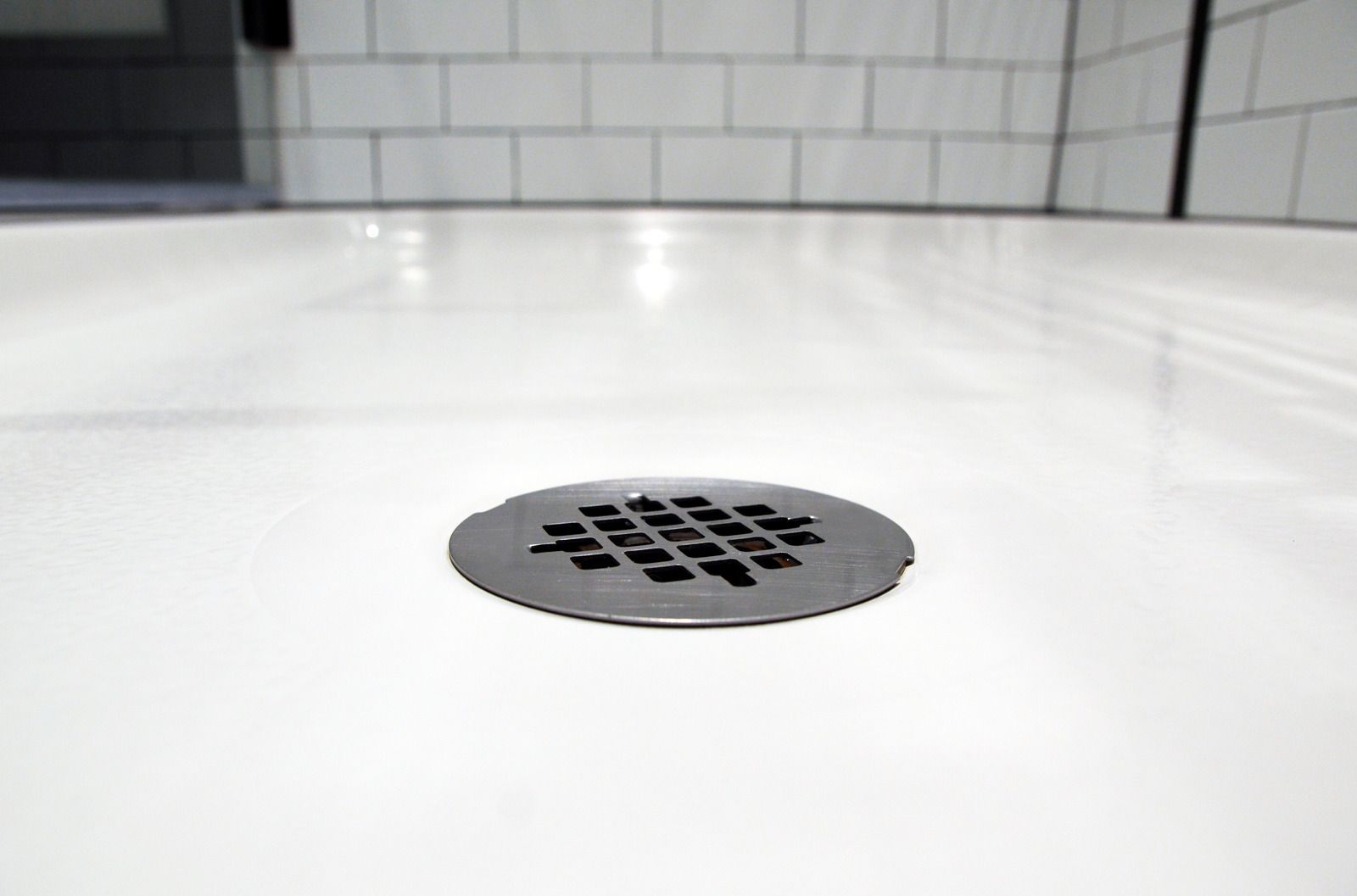
Under every sink, tub, shower, and floor drain sits a curved pipe holding standing water that blocks sewer gas. Guest bathrooms, laundry drains, and basement fixtures can dry out within weeks. Run water for thirty seconds in every drain throughout your home.
The Water Heater Anode Rod
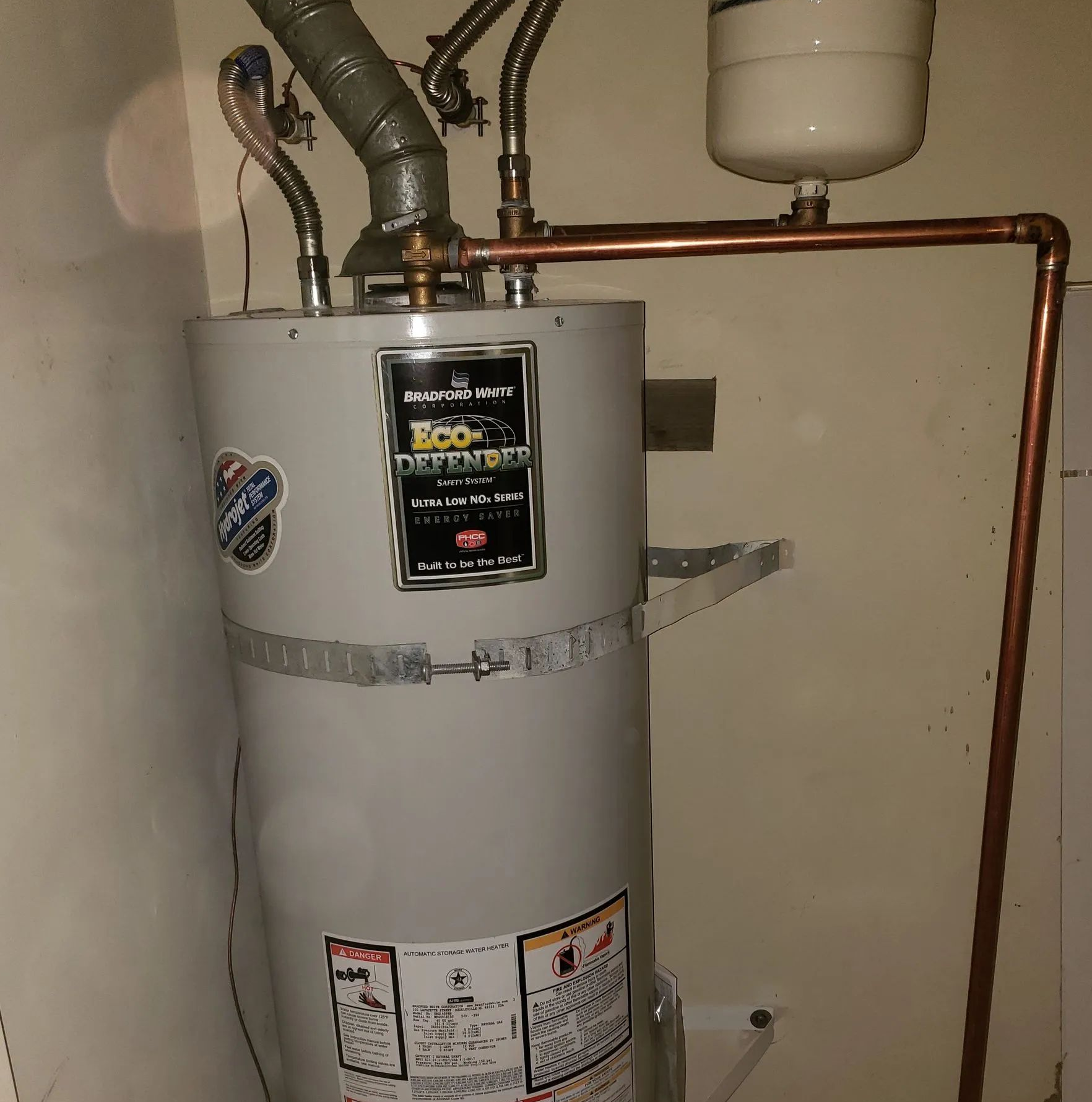
If the rotten-egg smell appears only when you run hot water, the water heater may be responsible. Its magnesium anode rod can react with sulfate-reducing bacteria, producing hydrogen sulfide. Cold water should remain odor-free from the same fixture throughout your home.
Neither of these involves your sewer line at all. They're worth ruling out first because they're common, and because fixing them is nothing like fixing a cracked lateral under the driveway.
Check the Vent Before You Assume the Worst
Every plumbing system needs air moving through it, and that's the job of the vent stack that runs up through your roof. It lets sewer gas escape outside instead of backing into your home, and it lets air into the drain lines so water can flow without the gurgle-and-suck sound of a sink trying to drain against a vacuum.
Roof vents on older homes get blocked more easily than people expect. Leaves, a bird's nest, a tennis ball from decades ago, even a dead animal can sit in that opening and choke off airflow. When that happens, you'll usually hear gurgling from more than one fixture whenever another one is used, since the trapped air is forcing its way back down through the path of least resistance instead of up through the roof. A cracked vent pipe inside a wall does the same thing from a different angle, letting gas leak into the attic or wall cavity instead of the outdoors.
TIP: Stand outside and look at your roof vent from the ground with binoculars, or have someone check it during a routine inspection. A visible obstruction is an easy fix compared to guessing at the source of the smell for weeks.
When the Sewer Line Itself Is the Problem
If you've ruled out dry traps, the anode rod, and an obvious vent blockage, and the smell keeps coming back along with slow drains in more than one part of the house, the lateral running from your home to the street deserves a closer look.
Tree Roots
Roots rarely attack sound pipes. They find hairline cracks or separated joints, follow moisture and nutrients, then expand until they block or split the sewer line. During dry Valley summers, sewer laterals can attract mature tree roots seeking moisture sources.
Ground Movement
Soil beneath Reseda and West Hills properties expands when wet and contracts when dry. Repeated seasonal movement can crack rigid clay pipes or create low spots, called bellies, where waste collects. These damaged areas can release sewer gas or wastewater.
Corrosion And Age
Many older Valley sewer laterals are clay, and decades of joint movement, root pressure, and grease buildup weaken them. Cracks or collapses eventually develop. Galvanized branch lines can also corrode internally, narrowing passages and causing pressure and flow problems inside.
Signs that point toward the sewer line rather than an isolated fixture include a sewage odor that's noticeable outdoors near the yard, an unusually green or soggy patch of lawn even during a stretch with no rain, gurgling in a toilet when the washing machine drains, and more than one drain running slow at the same time. A camera run down the line will show the exact spot and depth of the damage, and in a lot of cases a trenchless repair can fix the failed section without tearing up the whole yard.
WARNING: Hydrogen sulfide, the gas behind that rotten-egg smell, isn't just unpleasant. At low levels it's a nuisance, but people exposed to it for longer periods can develop headaches and eye irritation, and the gas has a nasty habit of dulling your sense of smell the longer you're around it, so the odor can seem to fade even as exposure continues. If a smell is strong, sudden, and doesn't ease off after you open windows, treat it as a signal to get help rather than something to live with.
Tracing It Room by Room
The fastest way to sort through all of this is a simple process of elimination, done in an afternoon rather than guessed at over weeks.
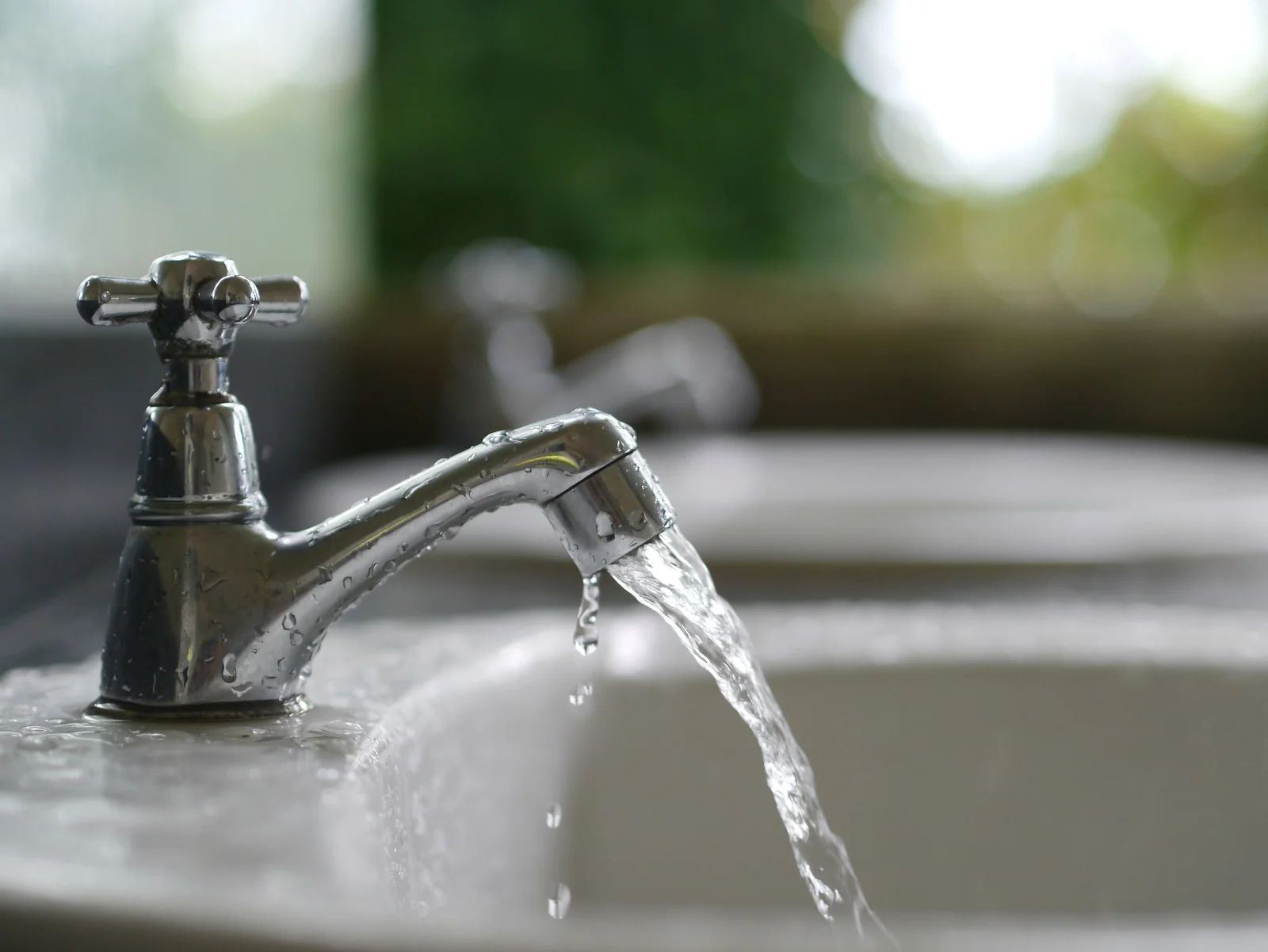
Start by running water in every fixture in the house, one at a time, including floor drains and the washing machine standpipe. Note which ones smell before you run water and which don't. A trap that was simply dry will smell fine within a minute of running water and stay that way. Next, isolate hot versus cold at a single faucet. If hot water alone carries the smell no matter which fixture you test, that points at the water heater rather than the drains at all.
If the smell persists after you've refreshed every trap, walk the yard. Look for a green patch that doesn't match the rest of the lawn, any soft or sunken ground along the likely path of the lateral, and check whether a cleanout cap near the foundation or property line shows any sign of seepage. Flush a toilet and listen for a gurgle in another bathroom at the same moment. That timing tells you whether air is moving through a shared line the way it should, or fighting its way around a blockage.
None of this requires digging anything up. It just requires paying attention to when and where the smell shows up, because that pattern is doing most of the diagnostic work before a professional ever puts a camera down the line.
Picking a mount that can handle the spot
Why This Shows Up More in Older Valley Homes
Reseda, Woodland Hills, and West Hills share a housing stock that was mostly built between the 1950s and the 1970s, and that era of construction lines up with a specific set of plumbing habits. Clay sewer laterals were standard, galvanized steel was common for water supply lines, and nobody was thinking about how either material would hold up seventy years later.
Add the Valley's climate on top of that. Long, hot, dry summers mean less rain to keep soil consistently moist, which pushes tree roots harder toward any underground water source, sewer lines included. Drought years and water-conservation habits mean guest bathrooms and laundry room floor drains go unused for longer stretches than they would in a household that runs water through every fixture daily, so traps dry out faster and more often. And the Valley's notoriously hard, mineral-heavy water accelerates scale buildup inside older pipe, narrowing already-aging galvanized branch lines and adding to the corrosion clock running on the clay lateral underground.
None of that means every odd smell is a sewer emergency. It does mean that in a home built during that window, the underlying plumbing has had more decades of hard water, dry ground, and thirsty tree roots working against it than a newer build across town would have faced.
Frequently Asked Questions
Why does my bathroom only smell bad sometimes, not all the time?
Intermittent odor usually points to a trap that's partially dried out rather than fully empty, or a vent blockage that only causes trouble under certain drainage conditions, like when two fixtures run water at once. A fully failed seal or a cracked line tends to smell more consistently.
Can a sewer smell come from just one bathroom if the problem is the main line?
Yes. Gas and pressure changes don't distribute evenly through a drain system, so a problem downstream can surface most noticeably at the fixture with the weakest trap seal or the shortest path to a vent, even if the actual damage is elsewhere.
Is it normal for an older home's sewer line to need attention every few years?
It's common for a clay lateral of that age to develop root intrusion or minor cracking over time, which is why a camera inspection every so often catches small issues before they turn into a backup. It isn't something every older home is guaranteed to face, but the odds go up with age.
Does running the water heater hotter make the rotten-egg smell worse?
It can. Higher tank temperatures speed up the chemical reaction between a magnesium anode rod and sulfate-reducing bacteria in some water supplies, which is part of why the smell can seem to come and go with how the household uses hot water.
What's the difference between a gurgle from a blocked vent and one from a sewer line problem?
A vent-related gurgle tends to happen only when two fixtures are used close together and usually stays mild. A gurgle tied to the sewer line is more often paired with slow drainage across the house and shows up even when nothing else is running at the same time.
How often should floor drains and guest bathrooms be run to prevent dry-trap odor?
Running water for about thirty seconds every few weeks in any fixture that isn't used regularly keeps the trap seal intact. Homes with a floor drain in the garage or laundry room benefit from adding that fixture to a monthly reminder.
Narrow the Cause Before You Worry
A sewer smell paired with gurgling drains rarely means the worst-case scenario right away. Most of the time, the answer sits in a dry trap, a blocked vent, or an aging anode rod, and a careful room-by-room check usually reveals which one before any digging starts. Save The Day Plumbing has served Reseda and the greater San Fernando Valley for 18+ years, tracing this exact pattern in homes built during the same decades of clay laterals and galvanized supply lines.
Older Valley homes carry more decades of hard water, dry soil, and thirsty roots working against their plumbing than newer builds ever will, but that's reason for methodical checking, not panic. Following the smell, the sound, and the timing usually points straight to the source, whether that's a fixture that simply needs a refresh or a line that's finally asking for a closer look.